Wellness · October 15, 2026 · 2 min read
Forest Bathing in the North Georgia Mountains: What the Research Says
What studies show about forest bathing (shinrin-yoku), stress hormones, blood pressure, and immune cells, and how to try it in the woods around Lake Rabun, Georgia.
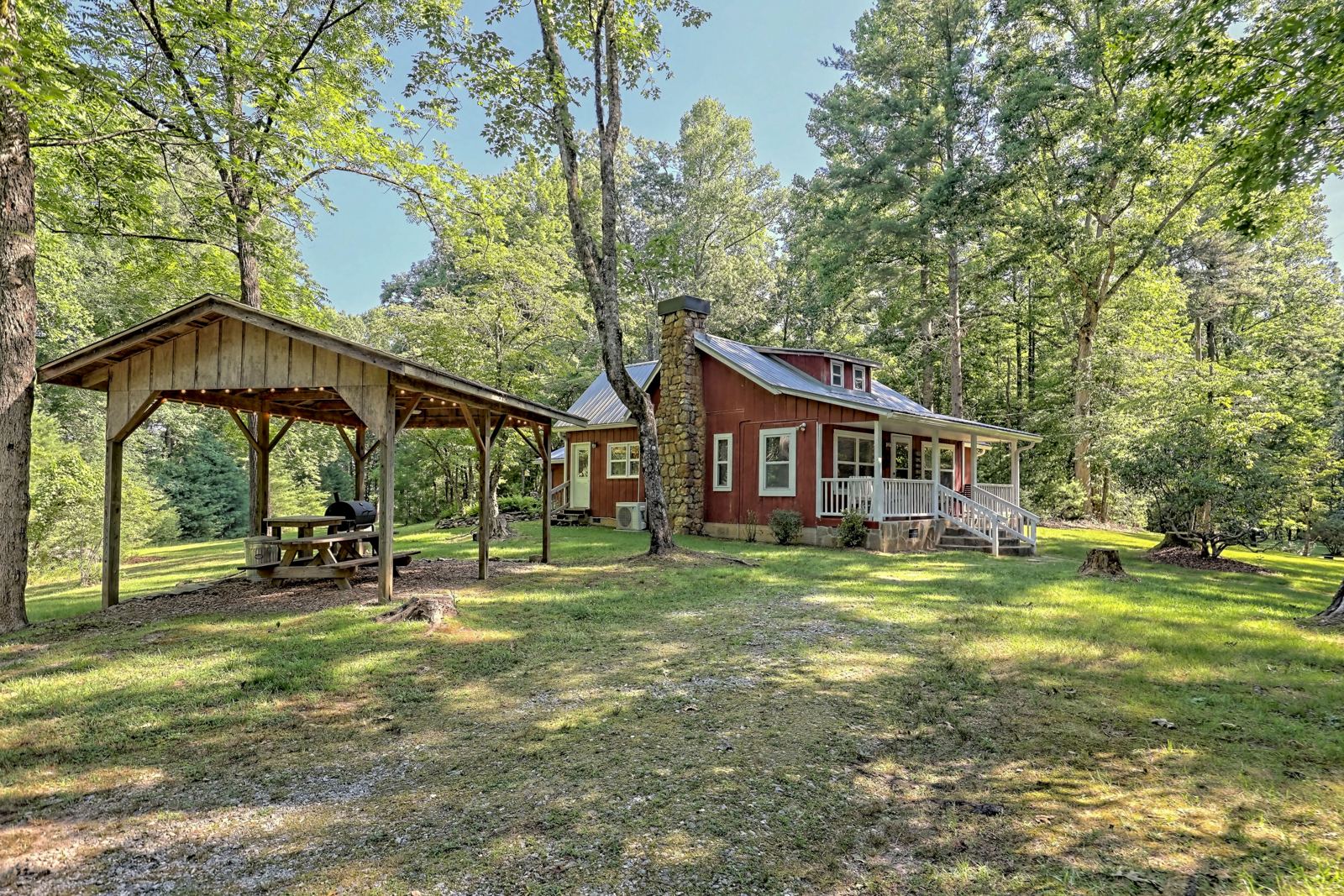
In Japan, doctors and researchers have studied something called shinrin-yoku, or forest bathing, for decades. It isn't hiking and it isn't exercise. It's simply spending slow, unhurried time in a forest and paying attention to what you see, hear, and smell. The research behind it is a big part of why we think the woods around Lake Rabun are good for you.
What the studies found
Lower stress hormones and blood pressure. In one of the largest field studies, researchers took 280 young men to 24 different forests across Japan and compared them with the same people in city settings. After walking in the forest, participants had about 16% lower cortisol, a key stress hormone, along with lower pulse rate and blood pressure. Their nervous systems also shifted toward "rest and digest" mode, with parasympathetic activity roughly doubling during forest walks compared with city walks.
A boost to immune cells. In a smaller study, 12 office workers from Tokyo spent three days and two nights in forest areas, with a couple of hours of walking each day. Their natural killer cells, part of the immune system that fights infections and abnormal cells, became more active, and the effect lasted more than a week after the trip. A city trip of the same length didn't produce the same change. Researchers think part of the effect may come from phytoncides, natural compounds released by trees, though that link is still being studied.
These studies are small and focused on specific groups, so they don't prove that a forest cures anything. But the direction of the evidence is consistent: time among trees tends to calm the body down.
How to forest bathe
- Go slow. The goal is to wander, not to cover miles.
- Put the phone away. Use it for a map if you need to, then pocket it.
- Use your senses. Notice the smell of leaves and soil, the sound of water, the light through the canopy.
- Stay a while. Many forest bathing sessions last one to two hours.
- Sit down. Find a log or a rock and stay put for ten minutes.
Try it here: a slow walk to Minnehaha Falls
You can start right outside the cabin, which sits on four wooded acres. For a short outing, drive about 3 miles to Minnehaha Falls. The trail is under half a mile along Fall Branch, through a steep, shaded cove to a waterfall that drops about 100 feet. Walk it slowly, stop often, and spend real time at the base of the falls before heading back. In mid-October the hardwoods are just starting to turn, which makes it one of the best times of year to try.
Planning a fall trip? Request your dates or read our fall color guide.
Sources
- Park et al. (2010). The physiological effects of Shinrin-yoku: evidence from field experiments in 24 forests across Japan. Environmental Health and Preventive Medicine.
- Li et al. (2007). Forest bathing enhances human natural killer activity and expression of anti-cancer proteins. International Journal of Immunopathology and Pharmacology.
- Antonelli et al. (2019). Effects of forest bathing on levels of cortisol: a systematic review and meta-analysis. International Journal of Biometeorology.
This post shares published research for general information. It isn't medical advice. Talk with your doctor about your own health.
Stay close to all of it
Our 2-bedroom cabin sleeps 6 on four wooded acres, about a mile from Lake Rabun and Lake Seed. Rated 4.95 from 190 guest reviews.